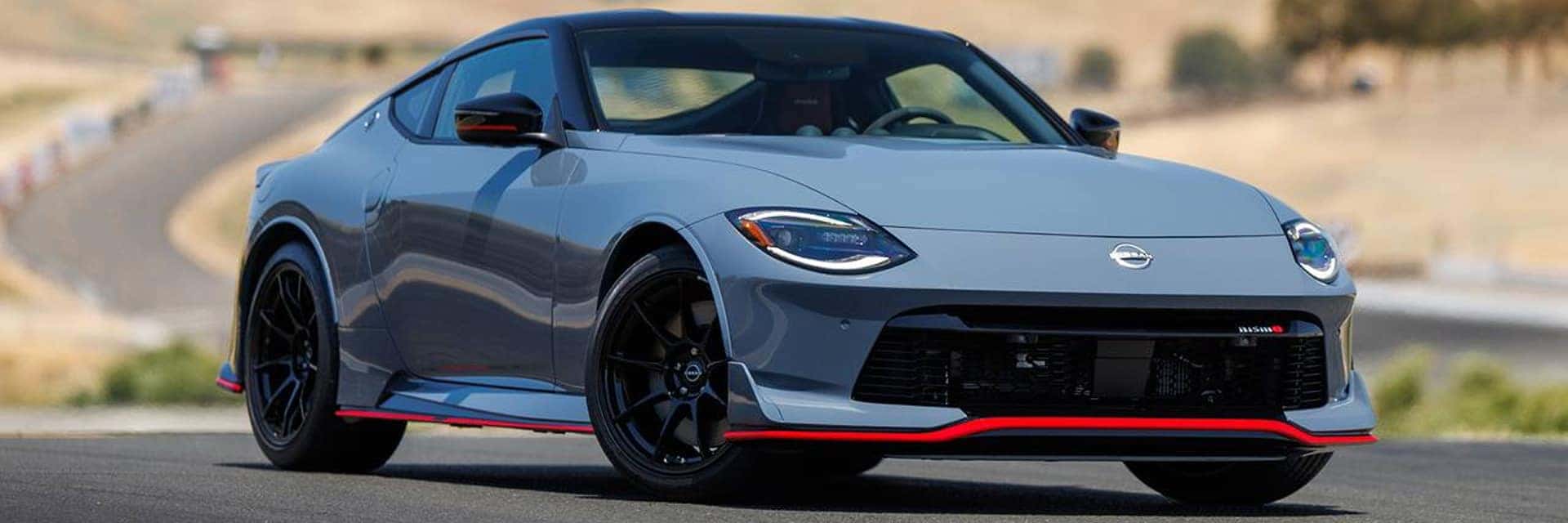
Choosing the perfect sports car comes down to a fundamental choice between turbocharged muscle and lightweight, momentum-based agility. The 2026 Nissan Z serves as a high-powered, heritage-rich grand tourer, while the 2026 Subaru BRZ focuses on lightweight, rear-wheel-drive handling. In this head-to-head comparison, we analyze how these two rear-wheel-drive coupes stack up in power, daily usability, cabin technology, and overall value to help you decide which belongs in your garage.
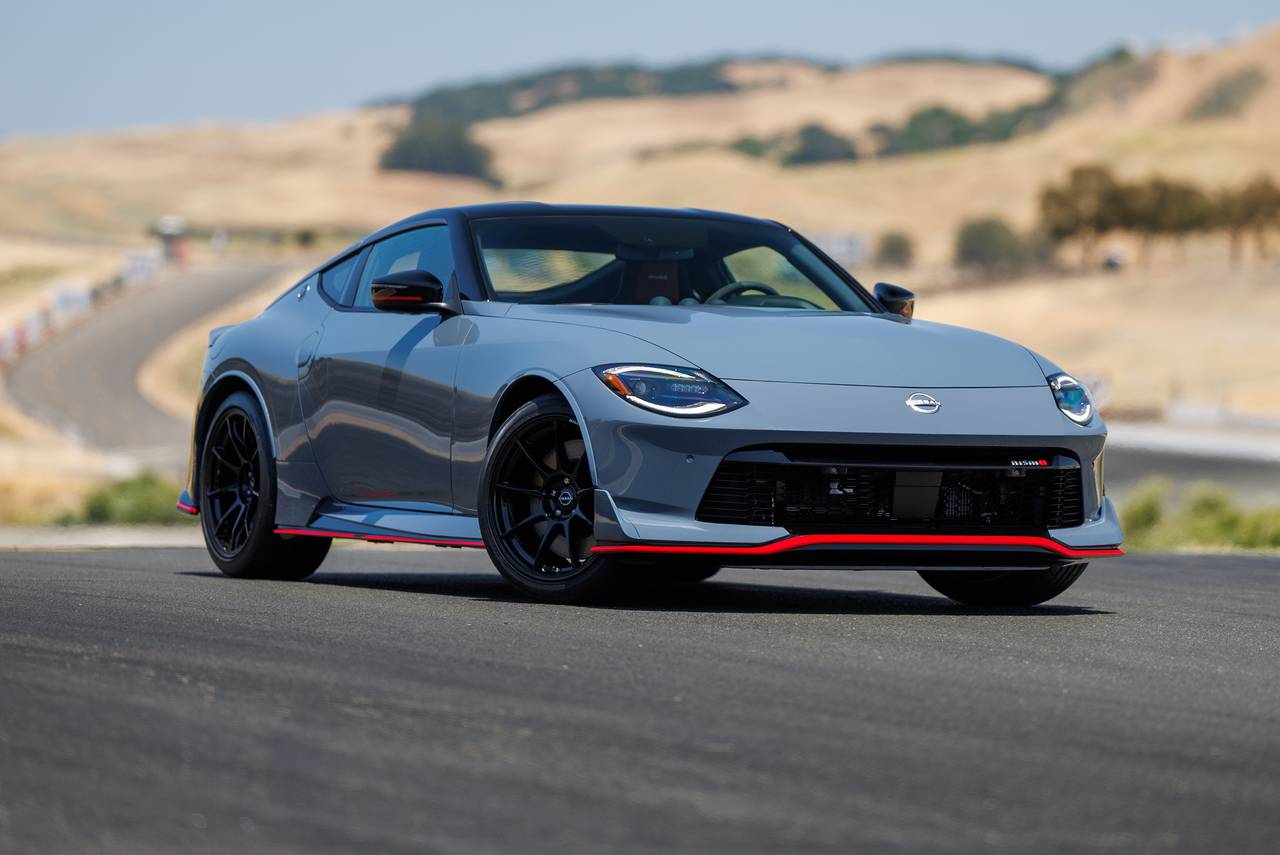
Have you ever wondered why pure, rear-wheel-drive sports cars continue to hold such a legendary status among driving purists? In a market increasingly dominated by crossovers, vehicles like the 2026 Nissan Z and the 2026 Subaru BRZ represent a refreshing commitment to driver-focused engineering. The Nissan Z serves as a heritage-fueled performance coupe in the Nissan lineup, bridging retro-inspired styling with modern turbocharged power.
On the other side of the comparison, the 2026 Subaru BRZ is positioned as a purist's sports car that emphasizes lightweight engineering and a low center of gravity. Within a Subaru lineup largely defined by all-wheel-drive crossovers and SUVs, the BRZ stands out as a dedicated rear-wheel-drive performance coupe for drivers who prioritize agility over raw power.
The excitement surrounding the Nissan Z is rooted in its ability to deliver serious performance while honoring its celebrated history. For the 2026 model year, the lineup includes the Heritage Edition (Z32 Midnight Purple), while the NISMO® trim raises output to 420 hp for shoppers who want the most powerful Z in the current lineup.
Powertrain specs by model and trim
| Specification | 2026 Nissan Z | 2026 Subaru BRpadding:12px; text-align:left; color:#ffffff; font-weight:700;">2026 Subaru BRZ |
|---|---|---|
| Engine | 3.0-liter twin-turbo DOHC 24-valve 6-cylinder | 2.4-liter SUBARU BOXER® 4-cylinder |
| Drivetrain | Rear-wheel drive | Rear-wheel drive |
| Horsepower | 400 hp on Sport, Performance, and Heritage Edition; 420 hp on NISMO® | 228 hp |
| Torque | 350 lb-ft on Sport, Performance, and Heritage Edition; 384 lb-ft on NISMO® | 184 lb-ft |
| Transmission | 6-speed manual or 9-speed automatic on selected trims; NISMO® is listed with 9-speed automatic | 6-speed manual; 6-speed automatic available on Limited |
When comparing a 400-hp or 420-hp twin-turbocharged V6 to a naturally aspirated four-cylinder engine, the difference in straight-line acceleration and passing power becomes a major part of the conversation. The Nissan Z is powered by a 3.0-liter twin-turbo V6, generating 400 hp and 350 lb-ft of torque in Sport, Performance, and Heritage Edition trims. Stepping up to the NISMO® trim raises output to 420 hp and 384 lb-ft of torque.
In contrast, the BRZ relies on a naturally aspirated 2.4-liter SUBARU BOXER® engine with 228 hp and 184 lb-ft of torque. While the BRZ is exceptionally light and agile, it operates in a different power class. The Z uses its torque advantage to deliver stronger highway passing power, while the BRZ rewards drivers who enjoy carrying momentum and using the full rev range.
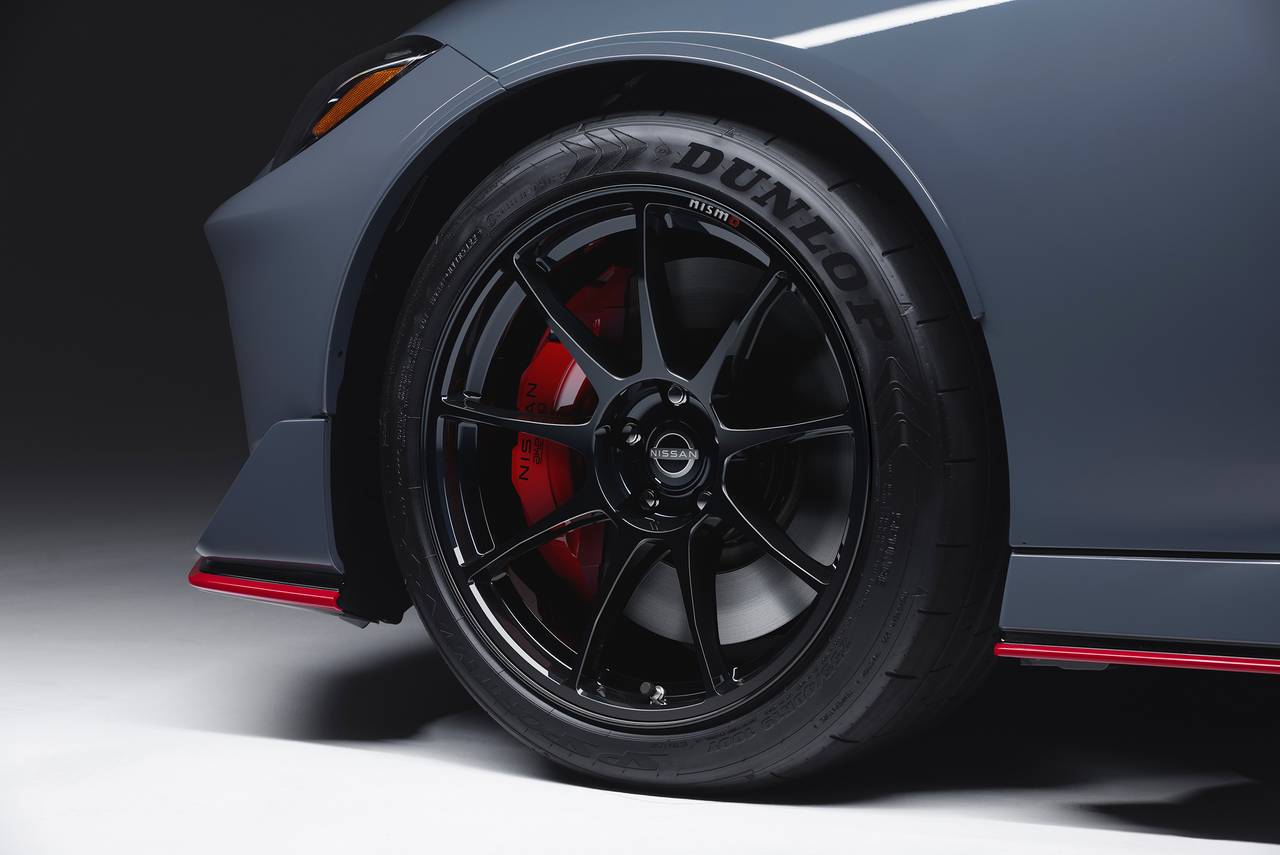
The chassis and suspension designs of both vehicles reflect their distinct driving philosophies. The Nissan Z features an independent double-wishbone front suspension and independent multi-link rear suspension. Performance-oriented Z trims add available upgrades such as a mechanical limited-slip differential, RAYS® forged-alloy wheels, Akebono® brakes, and trim-specific tires.
The BRZ uses a lightweight rear-wheel-drive layout, Torsen® limited-slip differential, and a sport-tuned suspension. The BRZ tS and Series.Yellow trims add STI-tuned suspension hardware and Brembo® braking components, making the Subaru a strong pick for drivers who value balance and steering feel over outright horsepower.
Many sports car shoppers fall into the trap of comparing base window stickers without looking at the actual performance equipment included in those prices. The 2026 Subaru BRZ is the less expensive option, with pricing varying by trim and equipment. However, those prices reflect a vehicle focused on lightweight, naturally aspirated performance rather than the Z’s twin-turbo power and grand-touring character.
The 2026 Nissan Z starts at $42,970 for the Sport trim, climbs to $52,970 for the Performance trim, adds the Heritage Edition (Z32 Midnight Purple) at $55,910, and tops out at $65,750 for the NISMO® trim. The Z carries a higher initial price, but it also delivers a major power advantage.
Moving up to the Z Performance trim adds equipment such as a mechanical limited-slip differential, Akebono® brakes, 19-inch RAYS® forged-alloy wheels, leather-appointed seatsono® brakes, 19-inch RAYS® forged-alloy wheels, leather-appointed seats, a 9-inch NissanConnect® touchscreen with navigation, and an 8-speaker Bose Premium Audio System. The BRZ Series.Yellow offers special-edition styling, but it does not add more horsepower than other BRZ trims.
Manufacturer-listed pricing per trim, across compared vehicles.
| 2026 Nissan Z Trim | Starting MSRP | 2026 Subaru BRZ Trim | Starting MSRP |
|---|---|---|---|
| Sport RWD | $42,970 | Limited | $35,860 |
| Performance RWD | $52,970 | tS | $38,360 |
| Heritage Edition RWD | $55,910 | Series.Yellow | $39,360 |
| NISMO® RWD | $65,750 | — | — |
| Destination Charge | $1,295 | Destination and Delivery | Not included in Subaru MSRP; may vary by state |
MSRP excludes destination/freight, tax, title, license, options, and dealer fees. Dealer sets actual price.
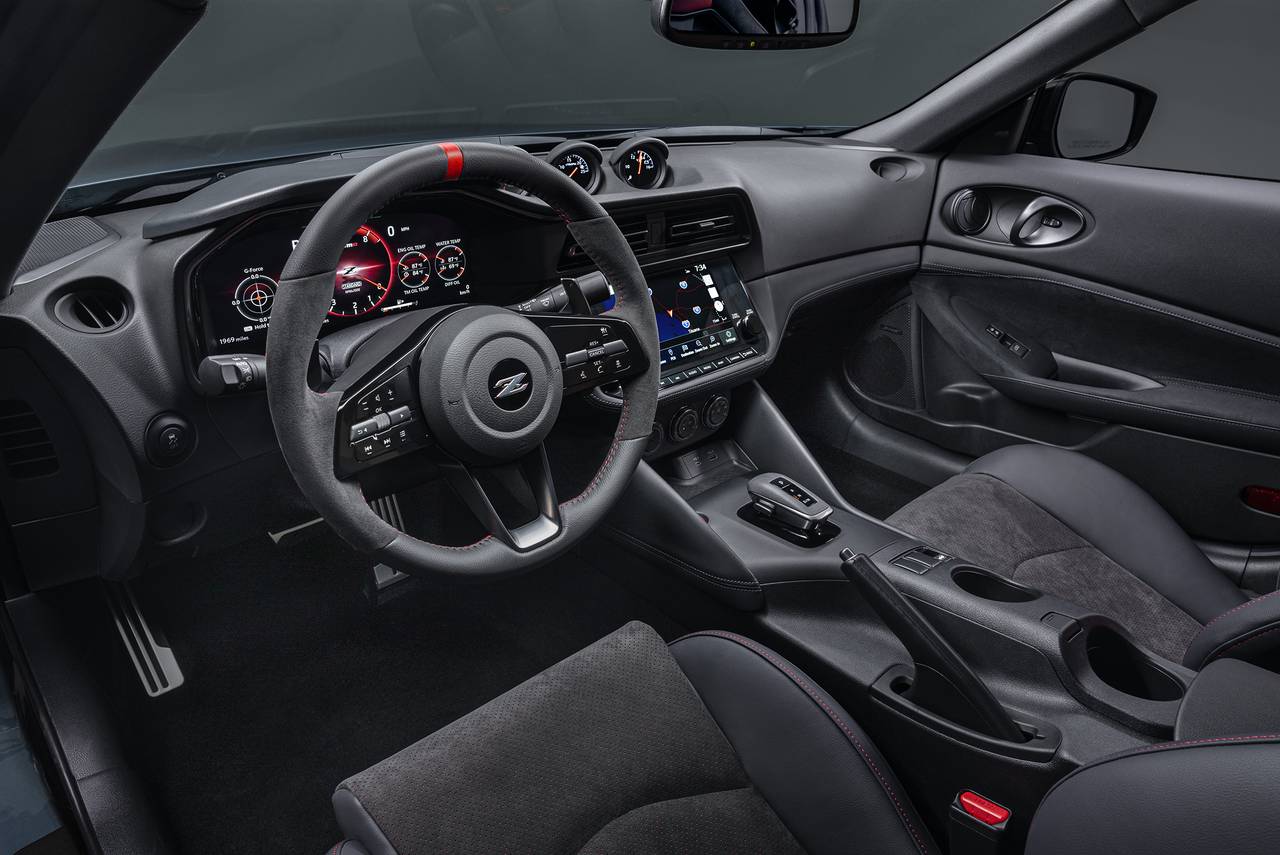
Picture yourself planning a weekend road trip, only to realize that your sports car's cabin lacks the comfort needed to keep you relaxed after two hours on the highway. This is where the Nissan Z shines as a true grand-touring coupe. The Z is a dedicated 2-seater, which allowed designers to focus on front-seat comfort, driving position, and a more performance-oriented cockpit.
The BRZ uses a 2+2 seating layout, with small rear seats that are best treated as occasional-use seating or extra cargo flexibility. The Nissan Z offers 6.9 cu.ft. of cargo space, while Subaru lists the BRZ at 6.3 cu.ft. of cargo volume.
The Nissan Z also emphasizes cabin refinement and long-distance comfort. While the BRZ's lightweight construction is part of its appeal, the Z is engineered to feel like a more premium daily driver, with available heated seats, leather-appointed seating on selected trims, available Bose audio, and a driver-focused cockpit.
Capacity and dimensions by model
| Specification | 2026 Nissan Z | 2026 Subaru BRZ |
|---|---|---|
| Seating | 2 | 4 |
| Cargo Volume | 6.9 cu.ft. | 6.3 cu.ft. |
| Curb Weight | Varies by trim; NISMO® automatic listed at 3,704 lbs in the uploaded comparison | Starts at 2,837 lbs with manual transmission |
While the raw mechanical components of a sports coupe define how it handles a corner, the digital technology inside the cabin determines how much you will enjoy your daily commute. The 2026 Nissan Z comes standard with a 12.3-inch Multi-function information display that gives the driver a configurable digital view of key information.
For infotainment, the Z Performance, Heritage Edition, and NISMO® trims feature a 9-inch NissanConnect® touchscreen display with navigation. The Z Sport uses an 8-inch touchscreen. The 8-speaker Bose Premium Audio System is included on Performance, Heritage Edition, and NISMO® trims.
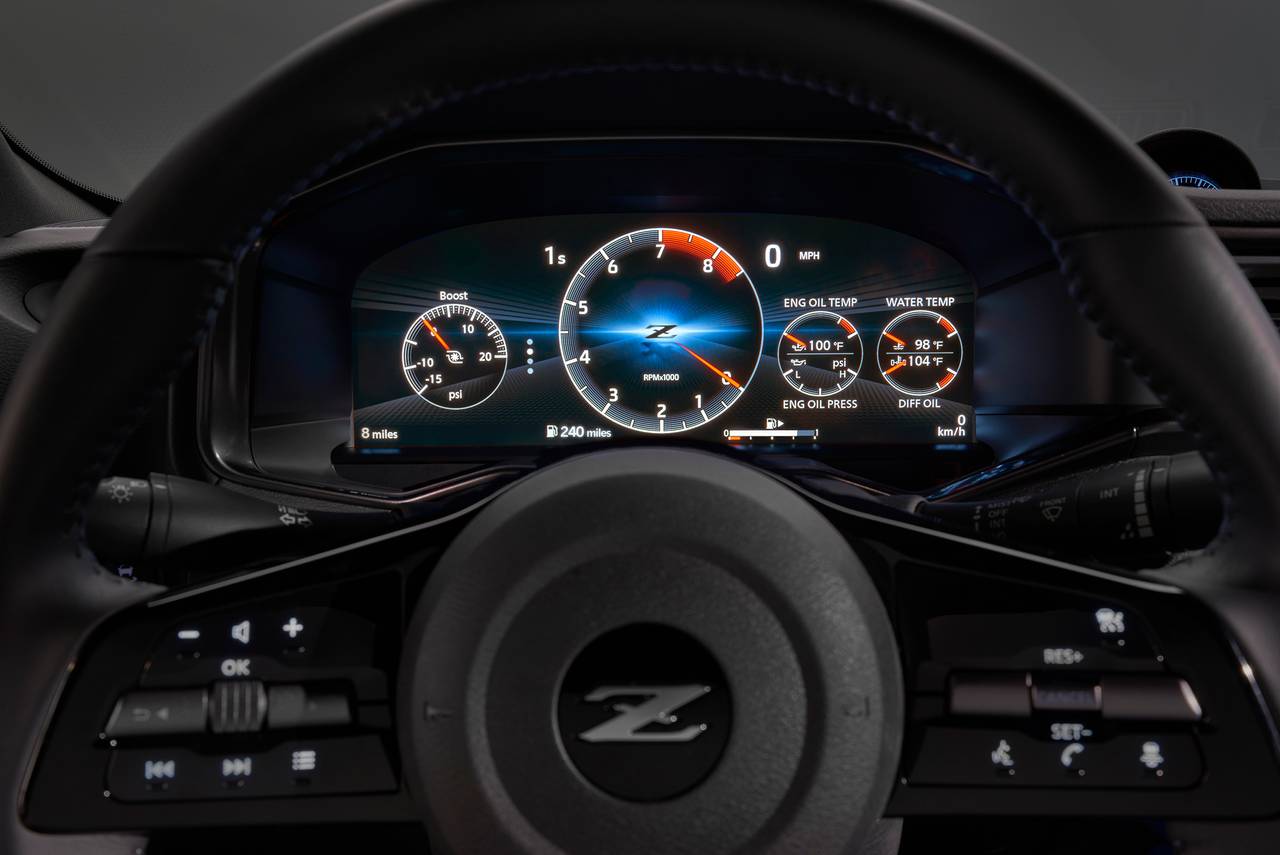
The BRZ features a driver-focused cabin with a customizable digital instrument cluster and Subaru STARLINK® multimedia. Compared with the Z’s available 9-inch NissanConnect® display, standard 12.3-inch digital dashboard, and available Bose audio, the Subaru takes a simpler, lightweight sports-car approach.
Modern safety engineering has advanced to the point where performance cars can include helpful everyday driver-assistance systems. The Nissan Z lists features such as Automatic Emergency Braking with Pedestrian Detection, Blind Spot Warning, Rear Cross Traffic Alert, Lane Departure Warning, Intelligent Cruise Control, and front and rear parking sensors in Nissan’s official specs view.
The BRZ is equipped with Subaru safety and driver-assist technology, and IIHS lists crash-test ratings for the 2026 BRZ, with some ratings applying to 2022-26 models. Because the sources used here did not show a current 2026 IIHS TOP SAFETY PICK or TOP SAFETY PICK+ award for the Nissan Z, this article avoids claiming a safety award for the Z.
Choosing a high-performance vehicle requires looking past the spec sheet to understand what the long-term ownership experience will actually look like. Both manufacturers provide factory warranty packages that include basic bumper-to-bumper repairs and separate powertrain protection plans. Nissan lists the 2026 Z with 36 months / 36,000 miles basic coverage and 60 months / 60,000 miles powertrain coverage.
When you purchase a Nissan Z, you also get Nissan roadside assistance coverage listed at 36 months / 36,000 miles. For a specialized sports car, having access to a Nissan service network can be an important ownership consideration when planning longer trips.
In terms of fuel efficiency, the BRZ's smaller engine gives it an advantage at the pump. The Z counters with a major power advantage and a more premium grand-touring character, making the decision more about driving priorities than fuel economy alone.
EPA-estimated fuel economy by model and configuration
| Specification | 2026 Nissan Z | 2026 Subaru BRZ |
|---|---|---|
| Manual / Selected Standard Configuration | 18 city / 24 highway / 20 combined MPG on Sport, Performance, and Heritage Edition | 20 city / 27 highway / 22 combined MPG on manual models |
| Automatic / Higher Efficiency Configuration | NISMO®: 17 city / 24 highway / 19 combined MPG | Limited automatic: up to 21 city / 30 highway / 25 combined MPG |
| Recommended Fuel | Premium unleaded | Verify fuel recommendation on the vehicle’s owner materials or window sticker |
Are you trying to decide which of these rear-wheel-drive coupes deserves a spot in your driveway? Here are some of the most common questions we hear from sports car shoppers.
For drivers who prioritize power, grand-touring comfort, and turbocharged performance, the Nissan Z makes a strong case. While the BRZ is an enjoyable lightweight car, the Z's starting price of $42,970 delivers a 400-hp twin-turbo V6, a standard 12.3-inch digital dashboard, and a more premium cabin feel.
The Nissan Z offers more dedicated cargo volume, with 6.9 cu.ft. compared to the BRZ's 6.3 cu.ft. The BRZ does include small rear seats, but many shoppers will use that space more often for bags than adult passengers.
The Z comes standard with a 12.3-inch Multi-function information display, and higher trims add a 9-inch NissanConnect® touchscreen with navigation. The BRZ takes a simpler approach with a driver-focused cockpit and lightweight sports-car layout.
You can experience the power and heritage of the Z firsthand by visiting our showroom. For turn-by-turn directions, you can find our Brooksville location online, or give our team a quick call to schedule your test drive.
While the Subaru BRZ remains a respected option for drivers seeking a lightweight momentum car, the 2026 Nissan Z is the stronger fit for shoppers who want serious turbocharged power, a premium grand-touring cabin, advanced digital technology, and legendary sports-car heritage. With up to 420 hp, rear-wheel drive, and a driver-focused cockpit, the Nissan Z delivers a level of excitement that puts it in a different performance category than the BRZ.
Maus Nissan of Brooksville15220 Wiscon Rd, Brooksville, FL 34601 (352) 423-6287
Prices, MSRP, fuel economy estimates, feature availability, seating layouts, and safety ratings are for informational purposes only and may vary by trim, drivetrain, configuration, build date, inventory, and official manufacturer updates. MSRP excludes freight charges, tax, title, and license fees. See dealer for complete details and confirm any open campaigns, recalls, or required updates before purchase.